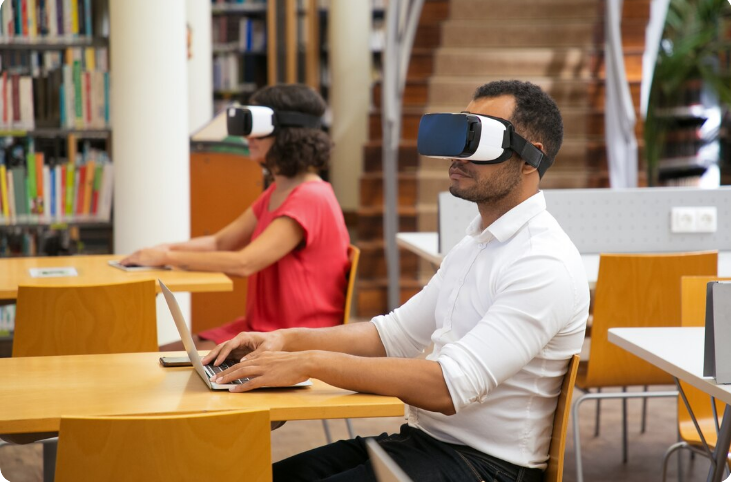
Business education has undergone a major transformation over the past decade. What was once focused heavily on theory and traditional management practices has now evolved into a dynamic learning experience shaped by technology, global exposure, and real-world application. Today’s students are expected not only to understand business concepts but also to apply them in fast-changing, digitally driven environments.
As industries adapt to artificial intelligence, data-driven decision-making, and global competition, business schools are rethinking how they prepare students for the future.
The Shift From Traditional Learning to Practical Application
In the past, business education often centered around lectures, textbooks, and case studies. While these methods still play a role, they are no longer enough on their own. Employers now look for graduates who can solve real problems, think critically, and adapt quickly to new challenges.
Modern business programs emphasize:
- Hands-on projects that simulate real business scenarios
- Exposure to industry professionals and current market practices
- Collaborative learning through team-based problem-solving
- Case-based approaches grounded in current global trends
This shift allows students to experience how decisions are made in real organizations, rather than just learning about them in theory.
Why Global Perspective Matters More Than Ever
Businesses today rarely operate within a single market. Even small companies often serve international customers or rely on global supply chains. Because of this, understanding different markets, cultures, and economic systems has become a critical skill.
A globally oriented business education helps students:
- Understand how international markets function
- Adapt strategies to different cultural and economic contexts
- Communicate effectively with diverse teams
- Recognize global opportunities and risks
Exposure to international perspectives during education builds confidence and prepares students to work in interconnected environments.
The Growing Role of Technology in Business Education
Technology is no longer just a support function in business—it is at the core of how companies operate. From marketing automation to financial analytics, digital tools influence nearly every business decision.
Modern business education integrates technology by introducing students to:
- Data analytics and business intelligence tools
- Digital marketing platforms and strategies
- AI-driven decision-making processes
- Cloud-based collaboration and project management systems
Students who are comfortable using these tools gain a significant advantage in the job market, especially as businesses continue to adopt more advanced technologies.
Learning From Real-World Industry Experience
One of the most valuable aspects of contemporary business education is direct exposure to industry practices. Learning from professionals who have firsthand experience allows students to understand how theoretical concepts are applied in real situations.
This type of learning often includes:
- Guest lectures from industry experts
- Internship opportunities and work immersion programs
- Case studies based on real companies and challenges
- Projects that address actual business problems
These experiences help bridge the gap between academic knowledge and professional application, making students more prepared for their careers.
Building Skills That Go Beyond Business Knowledge
While technical knowledge is important, employers increasingly value soft skills that enable individuals to lead teams and communicate effectively. Business education today focuses on developing well-rounded professionals who can navigate both technical and interpersonal challenges.
Key competencies include:
- Leadership and decision-making
- Communication and negotiation
- Critical thinking and problem-solving
- Adaptability in changing environments
These skills are essential for managing teams, handling uncertainty, and driving business growth.
Preparing for a Future That Is Constantly Evolving
The business landscape is changing faster than ever. New industries are emerging, traditional roles are being redefined, and digital transformation continues to reshape how companies operate.
Educational institutions that embrace innovation, global collaboration, and practical learning approaches are better positioned to prepare students for this environment. Programs designed with these elements in mind—such as those offered by mapua school of business reflect how business education is adapting to meet the demands of a modern, competitive world.
The Importance of Choosing the Right Learning Environment
Selecting a business program is no longer just about earning a degree. It is about gaining access to experiences, tools, and networks that will shape long-term career opportunities.
A strong learning environment provides:
- Access to modern technologies and digital resources
- Opportunities for global exposure and networking
- Guidance from experienced faculty and industry professionals
- A curriculum that evolves with industry trends
These factors can significantly influence how well students transition from education to employment.
Conclusion
Business education is no longer confined to classrooms or textbooks. It has become an immersive experience that blends technology, global awareness, and real-world application. As industries continue to evolve, students need more than foundational knowledge—they need the ability to adapt, innovate, and lead.
By focusing on practical learning, digital skills, and global perspectives, modern business programs are equipping the next generation of professionals with the tools they need to succeed in an increasingly complex world.