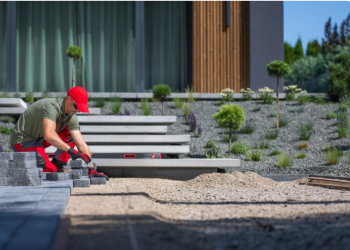
When it comes to house construction in hot and humid climates, thoughtful planning makes all the difference. The intense heat, relentless moisture, and heavy downpours common in these areas can quickly damage a home, inviting mold, rust, and higher energy bills. Drawing from proven practices, this guide offers reliable house construction tips tailored to such conditions. We’ll also cover the best cement for house construction to help you build homes that stand strong and feel comfortable year-round.
Why Climate Matters in Home Construction
No one wants a home that fights its environment. In humid, tropical regions, home construction must tackle moisture head-on to ensure lasting results.
Challenges of Hot and Humid Environments
Excessive dampness corrodes steel reinforcements right from the house construction phase. Sweltering heat leads to expansion and cracks in materials. And those torrential rains? They put immense pressure on foundations, making solid waterproofing a must.
Benefits of Adapted House Construction
Get house construction right, and your home gains years of life with fewer repairs. It also trims energy costs while naturally keeping spaces cooler. That’s the reward of smart home construction.
Key House Construction Tips
Here are straightforward house construction tips to create homes that endure humid weather.
Site Selection and Orientation
Start with higher ground for easy drainage. Position your build to welcome cooling breezes while dodging direct sun. This simple choice in house construction goes a long way toward comfort.
Foundation and Materials
Go deep—1.5 to 2 meters—for foundations that resist monsoon upheaval. Reinforce with rust-proof steel, and choose the best cement for house construction: Portland Pozzolana Cement (PPC). It excels at repelling moisture, making home construction more dependable.
Walls and Roofing
Lightweight, breathable concrete blocks make ideal walls in house construction. Pair them with sloped roofs coated to reflect heat and channel water away swiftly. This approach shines in rainy seasons.
Ventilation and Windows
Design for natural airflow with well-placed vents and windows. Add overhangs for shade. Such details sharpen the cooling power of home construction.
Flooring and Moisture Control
Elevate floors 2 to 3 feet and apply moisture barriers. Opt for tiles that shed water easily and dry fast. They form the base of durable house construction.
Choosing the Best Cement for House Construction
Cement isn’t just filler—it’s the backbone of house construction in damp climates. Portland Pozzolana Cement (PPC) leads as the best cement for house construction. Its unique mix blocks water penetration far better than OPC 53 Grade. From slabs to walls, it withstands salts and wear, securing home construction for the long haul.
Energy Efficiency and Sustainability
Build in passive cooling like shaded walls and good insulation to ease the load on air conditioners during house construction. Add rainwater harvesting and local materials. These steps make home construction kinder to the planet and your wallet.
Conclusion
Embracing these house construction tips equips your home to thrive amid hot, humid demands. The payoff is real: sustained comfort, lower costs, and peace of mind. Select the best cement for house construction such as PPC, and partner with knowledgeable experts to customize home construction for your site. A solid foundation today promises a brighter, drier tomorrow.