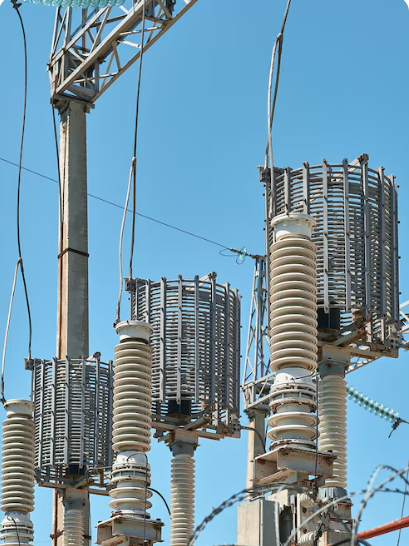
Saudi Arabia’s power infrastructure is expanding to support growing cities, industrial facilities, renewable energy projects, and large-scale developments. Reliable electricity transmission is essential to keep these operations running smoothly, making high voltage transformers an important part of the Kingdom’s power network. These transformers help transfer electrical energy between voltage levels, supporting efficient transmission and dependable power delivery across long distances.
As electricity demand grows, utilities and project developers need transformer solutions that balance performance, safety, energy efficiency, and long-term reliability. The right design depends on the electrical requirements of the network, the installation environment, expected loads, and applicable technical standards. For projects in Saudi Arabia, these considerations are especially important because equipment must be selected for demanding operating conditions, including high ambient temperatures and dust exposure.
Why Are High Voltage Transformers Important for Saudi Power Grids?
High voltage transformers help make electricity transmission more efficient by increasing voltage for transmission and reducing it where required for substations, industrial facilities, and distribution networks. Transmitting electricity at higher voltages generally reduces current for a given power level, which helps limit resistive losses along transmission lines.
In Saudi Arabia, dependable power infrastructure supports a wide range of applications, from major industrial operations and urban development to renewable energy integration. Transformers used in these networks must be selected according to the specific voltage levels, power requirements, load characteristics, and operating conditions of each project.
A suitable transformer also helps utilities maintain a stable power supply and manage changing demand. However, overall grid performance depends on the complete electrical system, including substations, transmission lines, protection equipment, and maintenance practices, rather than the transformer alone.
What Design Factors Matter in High Voltage Transformer Applications?
Transformer design begins with understanding the intended application. Engineers consider the system voltage, required power rating, frequency, insulation level, impedance, cooling arrangement, and expected loading conditions. These parameters influence the transformer’s electrical performance, physical construction, and ability to operate reliably over its service life.
Thermal management is particularly important in Saudi Arabia. High ambient temperatures can affect cooling performance and insulation ageing if the transformer is not appropriately designed for its installation conditions. Engineers should therefore evaluate site temperatures, ventilation, cooling equipment, and expected load cycles before finalising the specification.
Insulation design is another essential consideration. High voltage equipment must withstand normal operating stresses and specified overvoltage conditions. Proper clearances, suitable insulating materials, reliable bushings, and appropriate insulation coordination help reduce the risk of electrical failure.
Mechanical strength also matters. Transformers may experience significant forces during external short circuits. A robust design, suitable winding support, and verification through the required tests help establish whether the equipment can withstand the specified electrical and mechanical stresses.
For projects involving renewable energy, industrial plants, or large substations, transformer requirements may differ considerably. Selecting equipment according to the actual application is more effective than relying on a standard specification without reviewing the project’s needs.
How Can Transformer Safety Be Improved?
Transformer safety starts with sound engineering and continues throughout installation, commissioning, and operation. Protection systems should be selected according to the transformer design and the wider network. Depending on the application, these may include differential protection, overcurrent protection, temperature monitoring, pressure-related protection, and other devices specified by the project design.
Cooling systems and insulating fluids also require careful attention. Operators should follow the manufacturer’s instructions for inspection, testing, and maintenance. Where oil-filled transformers are used, appropriate checks can help identify developing issues involving insulation condition, moisture, overheating, or other abnormalities.
The installation itself must provide suitable electrical clearances, grounding, fire protection, and access for inspection and maintenance. Substation layouts should account for the equipment’s physical dimensions, the surrounding infrastructure, and applicable site safety requirements.
Routine inspections and condition monitoring can help identify problems before they lead to unplanned outages. Maintenance schedules should reflect the manufacturer’s recommendations, operating conditions, equipment condition, and the criticality of the installation. No single protection feature can replace a complete safety programme.
What Compliance Standards Apply to High Voltage Transformers in Saudi Arabia?
Compliance should be confirmed during the specification and procurement stages, rather than after manufacturing is complete. Saudi projects may require adherence to Saudi Electricity Company (SEC) specifications, applicable Saudi Standards, Metrology and Quality Organization (SASO) requirements, and relevant international standards, depending on the equipment, project owner, and contract.
The IEC 60076 series covers important aspects of power transformer design and performance. For example, IEC 60076-1 addresses general requirements, IEC 60076-2 covers temperature rise for liquid-immersed transformers, IEC 60076-3 addresses insulation levels and dielectric tests, and IEC 60076-5 covers the ability to withstand short circuits. The applicable editions and project-specific requirements should be verified before procurement.
Meeting an international standard does not automatically establish compliance with every Saudi project requirement. Buyers should review the technical specification, required inspection and testing procedures, documentation, and any applicable approvals with the project owner or authorised engineering team.
Before placing an order, it is advisable to confirm the required routine, type, and special tests, as applicable. Test reports, nameplate information, drawings, and other technical documents should be reviewed against the approved specification. This approach helps reduce the risk of delays during inspection, installation, and commissioning.
How to Choose High Voltage Transformer Suppliers for Saudi Projects
Choosing experienced high voltage transformer suppliers is an important step for utilities, engineering contractors, industrial operators, and renewable energy developers. A supplier should be evaluated on technical capability, manufacturing experience, quality assurance, and its ability to provide equipment that matches the project’s approved requirements.
Transformers and Rectifiers (India) Limited (TARIL) is an Indian transformer manufacturer with an established international presence. According to its official website, the company manufactures power transformers and other specialised transformer solutions for utility and industrial applications. Its Saudi Arabia website also presents products and services intended for the Kingdom’s energy and industrial sectors.
When evaluating a supplier, buyers should first confirm that its available voltage classes and power ratings match the project’s needs. TARIL’s published power transformer range includes ratings from 5 MVA to 500 MVA and voltage classes up to 1200 kV. These are published range limits, not a guarantee that every combination of rating and voltage is available for every project. The exact configuration should be confirmed directly with the manufacturer.
Manufacturing and testing capabilities deserve equal attention. Buyers should ask about applicable quality procedures, factory testing, short-circuit withstand verification where required, inspection arrangements, and the technical documentation supplied with the equipment. Previous experience with comparable applications can also help establish whether a manufacturer is suitable for a particular project.
Site conditions and long-term service requirements should be discussed early. For installations in Saudi Arabia, the manufacturer needs accurate information about ambient temperatures, loading patterns, cooling requirements, installation location, and environmental exposure. The buyer should also clarify the availability of technical assistance, spare parts, maintenance guidance, and warranty support under the proposed contract.
Cost remains a consideration, but the purchase price alone does not determine long-term value. Energy losses, maintenance needs, equipment reliability, expected service life, and potential downtime all contribute to the overall cost of ownership.
Working with a manufacturer that can discuss these technical and commercial factors clearly helps project teams make informed procurement decisions. TARIL’s official website provides product information and contact details for enquiries about project requirements and transformer solutions.
How Do High Voltage Transformers Support Energy Efficiency?
Transformer efficiency depends on design quality, operating conditions, loading, and maintenance. Core losses occur while a transformer is energised, whereas winding losses vary with the electrical load. Reducing these losses can help lower energy waste over the equipment’s operating life.
Correct sizing is important because the transformer should suit the expected load profile and future requirements without unnecessary oversizing. Engineers should compare guaranteed loss values and other performance parameters when evaluating competing offers.
Renewable energy projects also create specific transformer requirements. Solar and wind installations may experience changing power output, so the transformer must be suitable for the project’s electrical characteristics and operating conditions. Proper coordination with the generation equipment and grid connection design helps support reliable operation.
Sustainability can also influence the choice of insulating fluid. TARIL lists ester-filled transformer options on its website. Whether such an option is suitable depends on the project’s technical requirements, environmental considerations, and approved specifications.
Frequently Asked QuestionsWhat is the main purpose of a high voltage transformer?
A high voltage transformer changes electrical voltage levels to support efficient power transmission and suitable voltage delivery to substations, industrial facilities, and other parts of the electrical network.
Which standards should be checked before buying a transformer in Saudi Arabia?
The project team should check applicable SEC specifications, relevant SASO requirements, the IEC 60076 series, and any additional requirements stated by the project owner. The applicable standards and editions depend on the transformer and project.
What should buyers consider when selecting a high voltage transformer?
Important factors include voltage class, power rating, insulation level, cooling method, efficiency, short-circuit withstand capability, environmental conditions, testing requirements, and long-term maintenance support.
Can transformers manufactured in India be supplied for Saudi projects?
Indian manufacturers such as TARIL serve international markets and present transformer solutions for Saudi Arabia. Buyers should confirm product availability, project-specific compliance, delivery arrangements, and support directly with the manufacturer.
How often should a high voltage transformer be inspected?
Inspection frequency depends on the manufacturer’s recommendations, operating conditions, equipment condition, and the asset owner’s maintenance programme. Regular inspections and appropriate condition monitoring help identify developing issues and plan maintenance.
Conclusion
Reliable high voltage transformers are essential for supporting Saudi Arabia’s transmission networks, industrial development, and evolving energy infrastructure. Careful attention to design, thermal performance, electrical protection, testing, and regulatory requirements helps project teams make sound equipment choices.
Selecting a manufacturer should involve more than comparing ratings and prices. Buyers should verify technical suitability, documented testing capabilities, compliance requirements, and long-term support before committing to a purchase. By following a structured evaluation process, Saudi utilities and industrial project developers can make informed decisions that support dependable power delivery over the long term.
TARIL provides power transformer solutions for a range of utility and industrial applications. Project teams can review its published product range and contact the company directly to discuss specific technical requirements.