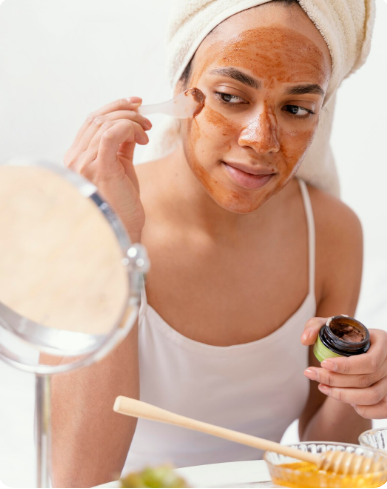
Skin constantly renews itself, but over time this natural process slows down. Dead skin cells accumulate, texture becomes uneven, pores appear more visible, and pigmentation irregularities may develop. Chemical peeling is designed to support the skin’s natural renewal cycle by encouraging controlled exfoliation and regeneration.
In professional aesthetic environments such as Gold City, chemical peeling is applied with medical precision and individualized planning to ensure safety, gradual improvement, and long-term skin balance.What Chemical Peeling Actually Does
Despite the name, chemical peeling is not about aggressively “burning” the skin. It is a carefully controlled process that uses specific solutions to exfoliate the outer layers of the skin. This stimulates cell turnover and encourages the growth of fresher, smoother skin underneath.
A structured explanation of how chemical peeling works typically emphasizes assessment, peel selection, and controlled application based on skin type and tolerance.
The main goals are:
- Improving uneven texture
- Supporting brighter skin tone
- Reducing surface pigmentation
- Minimizing the appearance of fine lines
- Enhancing overall clarity
Why Skin Assessment Is Essential
Not all skin types respond the same way to exfoliation. Sensitive skin, acne-prone skin, or skin with active inflammation requires a different approach compared to thicker or sun-damaged skin.
Before applying any peeling solution, professionals typically assess:
- Skin thickness
- Sensitivity levels
- Current inflammation
- Pigmentation patterns
- Previous treatments
Choosing the right peel strength is crucial. Too mild may produce little improvement; too strong may cause irritation and prolonged recovery.Different Depths, Different Goals
Chemical peels are generally categorized by depth:
Superficial peels
Target the outermost layer and are often used for dullness, mild pigmentation, and texture refinement.
Medium peels
Penetrate deeper and may help improve more visible pigmentation and fine lines.
Deeper peels
Are more intensive and require careful planning and recovery time.
Most individuals begin with lighter, controlled peels and progress gradually if needed. Gradual progression helps maintain skin health while achieving visible improvement.What Happens After a Peel?
After treatment, the skin may appear slightly pink or feel tight. Mild peeling or flaking can occur depending on the peel type. This shedding phase is part of the renewal process.
During recovery, proper aftercare is essential. This typically includes:
- Gentle cleansing
- Adequate hydration
- Sun protection
- Avoiding harsh products
Supporting the skin during this phase ensures healthy regeneration and reduces the risk of irritation.Why Chemical Peeling Is Often Done in Series
One session can refresh the skin, but long-term improvements often require a series of treatments. This is because skin concerns such as pigmentation or texture changes develop over time and need gradual correction.
Repeated sessions may help:
- Improve collagen stimulation
- Even out tone progressively
- Maintain smoother texture
- Support long-term skin clarity
Consistency is usually more effective than aggressive, one-time intervention.A Balanced Approach to Skin Renewal
Chemical peeling works best when it is part of a broader skin health strategy. Hydration, sun protection, and consistent skincare routines all contribute to maintaining results.
Rather than forcing dramatic changes, modern chemical peeling techniques aim to respect the skin barrier while encouraging renewal in a controlled and predictable way.Final Thoughts
Chemical peeling is a structured skin renewal treatment designed to improve tone, texture, and clarity through controlled exfoliation. When guided by professional assessment and personalized planning, it can support smoother, brighter skin while maintaining safety and balance.
By focusing on gradual improvement and proper aftercare, chemical peeling becomes a practical option for individuals seeking long-term skin refinement rather than temporary surface correction.