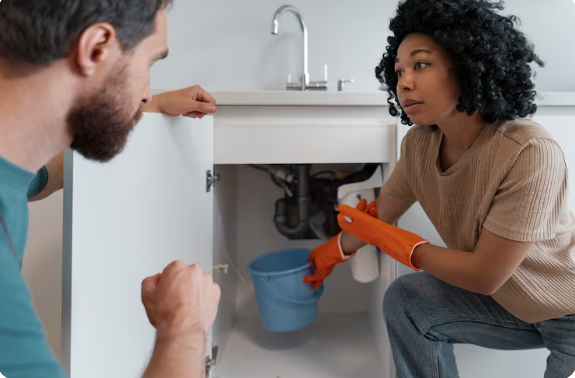
We’ve all been there. The faucet drips. The toilet runs. A pipe starts leaking under the sink. Your first instinct is, “I can fix this myself.” After all, YouTube has thousands of plumbing tutorials, hardware stores are full of supplies, and professional plumbers aren’t cheap. But here’s the uncomfortable truth: DIY plumbing repairs often end up costing significantly more than simply hiring a professional from the start.
It’s important to be honest about when DIY makes sense and when it’s inviting trouble. More importantly, you need to consider the hidden costs no one talks about until after the kitchen is flooded. Many homeowners discover too late that issues requiring water line repair are far more complex than they initially appeared, especially when DIY attempts create additional damage to the system.
The appeal of DIY is easy to understand. If a plumber charges $200 to replace a faucet and the part only costs $50, the savings seem obvious. But that calculation assumes everything goes perfectly—and with plumbing, things rarely go smoothly for amateurs. Costs rise quickly when you factor in repeated trips to the hardware store, incorrect parts that must be returned, specialty tools you’ll only use once, and mistakes that turn simple jobs into complicated repairs.
Plumbers see DIY disasters constantly, and many begin with overtightening connections. It’s a natural assumption that tighter means more secure, but overtightening cracks fittings, strips threads, and damages washers. What begins as a leaky faucet can become a cracked valve body that needs replacement. Using the wrong materials also creates problems, since plumbing systems require specific components and compatibility. Mixing metals, using PVC cement on ABS pipes, or installing the wrong pipe diameter all lead to leaks, corrosion, and eventual system failures. Home repair experts note that DIYers frequently forget to shut off the water or overtighten fittings—mistakes that can cause far more damage than the original issue.
Forgetting to shut off the water is one of the most common but devastating errors. Disconnecting a pipe without turning off the supply can send a pressurized geyser into your bathroom, causing water damage that spreads into flooring, drywall, and insulation. The cleanup—along with the risk of mold growth—far outweighs any money saved. Misdiagnosis may be the costliest mistake of all. Fixing the wrong thing not only wastes money but allows the real issue to continue damaging your home behind the scenes, often unnoticed until the repair becomes far more expensive.
The hidden costs of DIY plumbing add up fast. Emergency water damage restoration can cost anywhere from $2,000 to $10,000 depending on severity. Mold remediation often adds another $1,500 to $4,000 if the issue isn’t addressed quickly. Replacing soaked flooring, damaged drywall, ruined insulation, and broken fixtures can total $5,000 to $15,000 or more. Insurance may not cover damage resulting from unlicensed DIY work, and even when it does, filing a claim can raise your premiums for years. Add in the hours spent researching, troubleshooting, shopping for parts, attempting repairs, and cleaning up mistakes, and the time cost alone becomes significant.
Of course, some plumbing work is genuinely DIY-friendly. Simple tasks like replacing a showerhead, cleaning a clogged drain with a plunger, tightening loose connections, installing a toilet seat, or swapping out a faucet aerator are typically safe for homeowners. These tasks require minimal tools, involve low risk, and don’t require major system shutdowns or technical knowledge.
Other plumbing work should never be attempted without a professional. Anything involving main water lines, sewer lines, or septic systems requires expert handling. Gas line work is extremely dangerous and legally restricted. Water heater installation or repair, repiping, frozen or burst pipes, persistent leaks that cannot be located, sewage backups, and any work that requires permits or must meet code standards all demand licensed expertise. Industry research consistently shows that complex plumbing repairs vary widely in cost depending on skill, materials, and the severity of the issue—another reason why DIY attempts can become very expensive very quickly.
Hiring a plumber may cost $200 to $500 for a standard repair, but that price includes correct diagnosis, proper tools, code-compliant work, warranties on labor and parts, and insurance if something goes wrong. Compared to the combined costs of failed DIY attempts, replacement parts, water damage repairs, and eventually paying a professional anyway, the price of hiring a plumber begins to look much more reasonable.
Before grabbing a wrench, it’s worth asking yourself whether the repair could cause major water damage, whether you truly understand the problem, whether you have the right tools and materials, whether the job requires a licensed professional, and whether you’re prepared for the consequences if something goes wrong. If any of these give you pause, calling a professional is the smarter and ultimately cheaper decision.
DIY has its place in home maintenance, but plumbing is different. Water damage spreads quickly, destroys materials, and is extremely expensive to fix. Professional plumbers aren’t costly—they’re protection against catastrophic mistakes. When it comes to your home’s plumbing, the real question isn’t whether you can do the job yourself, but whether you should. More often than not, the smarter choice is to call a pro, spare yourself the stress, and protect your home and wallet from the hidden costs of DIY plumbing disasters.