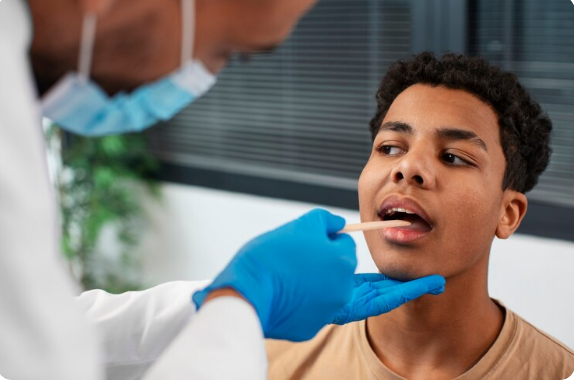
Jaw misalignment, also known as malocclusion, occurs when the upper and lower jaws do not fit together properly. This condition can affect bite function, chewing, speaking, and overall facial symmetry. Jaw misalignment is more than just a cosmetic concern—it can lead to discomfort, TMJ issues, and long-term dental problems if left untreated.
Causes of Jaw Misalignment
Jaw misalignment can develop due to a variety of factors. Genetics may play a role, with some individuals naturally having irregular jaw growth or bite patterns. Trauma or injury to the jaw, such as from an accident or sports-related impact, can also cause misalignment. Additionally, habits like prolonged thumb-sucking in childhood, teeth grinding, or improper dental work may contribute to an uneven bite over time. Identifying the root cause is essential for selecting the most effective treatment approach.
Signs and Symptoms
Jaw misalignment can manifest in different ways depending on its severity. Common symptoms include difficulty chewing or biting, frequent jaw pain or soreness, headaches, and clicking or popping sounds in the jaw joint. Some individuals may also notice teeth wear unevenly or experience speech difficulties. In severe cases, misalignment can affect facial appearance and symmetry, creating functional and aesthetic concerns.
Treatment Options for Correcting Jaw Misalignment
Treatment for jaw misalignment depends on the cause, age of the patient, and severity of the condition. Orthodontic solutions, such as braces or clear aligners, are commonly used to gradually move teeth and adjust bite alignment. For more severe cases, surgical intervention may be necessary to reposition the jaw and restore proper function. Dental appliances, such as bite guards, can also help alleviate symptoms like teeth grinding while supporting alignment. Combining dental care, orthodontics, and, if needed, surgery ensures a comprehensive approach to correcting misalignment.
The Role of Therapy and Exercises
In addition to orthodontic or surgical treatments, therapy and targeted exercises can support jaw function and relieve discomfort. Physical therapy may include jaw stretches, strengthening exercises, and techniques to improve joint mobility. Learning proper jaw posture and relaxation techniques can reduce tension and prevent further complications. When combined with corrective treatments, these exercises enhance recovery and long-term results.
Benefits of Correcting Jaw Misalignment
Correcting jaw misalignment offers both functional and aesthetic benefits. Proper alignment improves bite efficiency, reduces strain on the jaw joint, alleviates pain, and prevents uneven tooth wear. Patients also experience enhanced facial symmetry and appearance, which can boost self-confidence. Early diagnosis and treatment are key to preventing chronic issues and achieving optimal results.
Conclusion
Jaw misalignment is a common but manageable condition that affects both function and appearance. Understanding the causes, recognizing symptoms, and exploring treatment options—ranging from orthodontics and surgery to therapy and exercises—can help restore proper jaw alignment and improve quality of life. Timely intervention ensures that patients achieve lasting results, alleviating discomfort and supporting overall oral health.