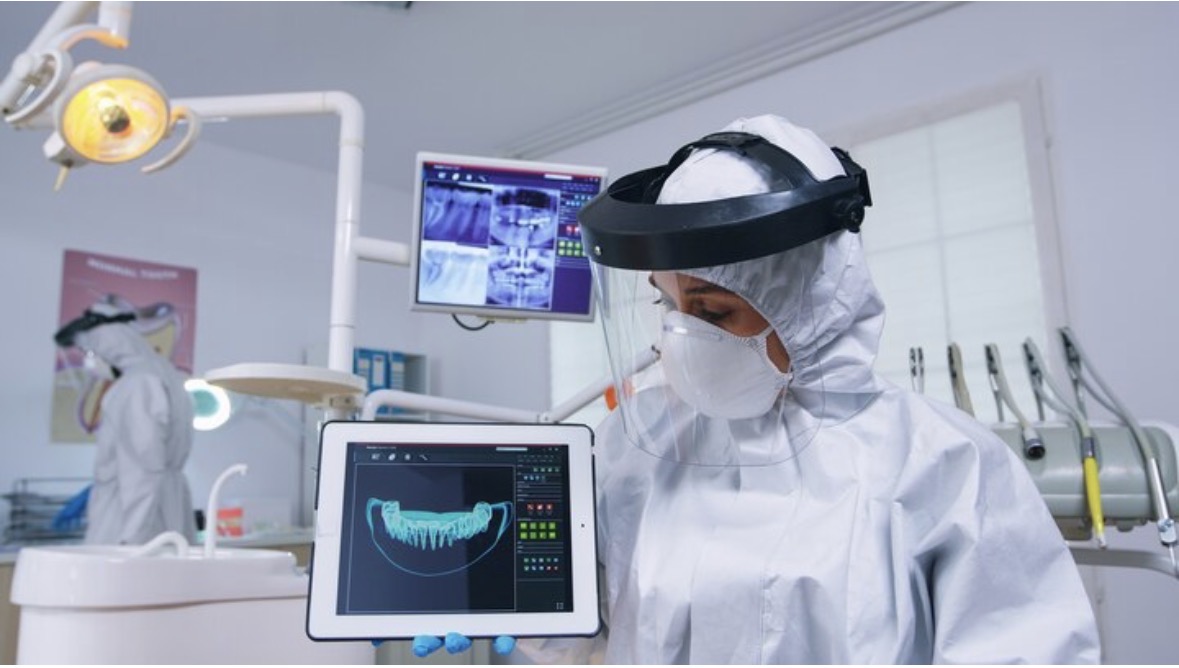
The dental industry is undergoing a rapid transformation as digital workflows, smarter instruments, and tighter clinic–lab integration redefine how treatments are planned and delivered. From chairside scanning to CAD/CAM fabrication in the dental laboratory, today’s dentistry is faster, more precise, and more patient-centric than ever before.
One of the most noticeable changes is how clinical tools—especially the dental handpiece—are now part of a fully digital treatment ecosystem rather than just standalone instruments.
The New Role of the Dental Laboratory in Modern Dentistry
Traditionally, the dental laboratory functioned as a separate production unit focused on crowns, bridges, dentures, and orthodontic appliances. In 2026, that role has expanded significantly:
- Digital impressions are replacing physical molds in many clinics
- CAD/CAM systems allow labs to design restorations with micron-level precision
- 3D printing and milling have reduced turnaround times from days to hours
- Cloud-based case sharing enables real-time collaboration between dentists and lab technicians
Today’s dental laboratory is not just a manufacturing space—it’s a digital design and engineering hub that directly influences treatment quality, fit, and aesthetics.
Where the Dental Handpiece Fits into the Digital Workflow
Despite all the digital advances, the dental handpiece remains one of the most critical tools in clinical dentistry. What has changed is how it integrates with modern workflows:
- Tooth preparation for crowns and veneers is now guided by digital treatment plans created in collaboration with the dental laboratory.
- Minimally invasive preparations are more common, requiring high-precision, low-vibration handpieces.
- Better cutting efficiency and improved cooling systems help preserve tooth structure, which directly improves the lab’s ability to design more conservative restorations.
In short, the quality of work done with the dental handpiece at chairside directly impacts the accuracy and success of what the dental laboratory produces.
Endodontics, Restorations, and Lab–Clinic Synergy
This clinic–lab integration is also visible in endodontics and restorative dentistry:
- After root canal treatment, the final crown or onlay is often designed digitally by the dental laboratoryusing intraoral scan data.
- Precise tooth shaping with modern handpieces ensures better marginal fit and longer-lasting restorations.
- Some clinics now offer same-day restorations, where the lab work is done in-house or via a connected digital lab network.
This reduces patient waiting time and increases predictability in outcomes.
Industry Trend: From “Tools” to “Systems”
The biggest shift in dentistry right now is the move from isolated tools to connected systems:
- The dental handpiece is no longer just about cutting—it’s part of a digitally planned procedure.
- The dental laboratory is no longer just fabricating—it’s co-planning treatments with clinicians.
- Data, scans, and designs flow seamlessly between clinic and lab, improving accuracy and efficiency.
Manufacturers are also responding by designing handpieces, scanners, and lab equipment that work better together within unified digital ecosystems.
What This Means for Dentists and Labs
For dentists:
- Better treatment predictability
- Faster turnaround for restorations
- Higher patient satisfaction due to improved fit and aesthetics
For dental laboratories:
- A stronger role in treatment planning
- Higher demand for digital design skills
- More opportunities to offer premium, high-precision solutions
Conclusion
The future of dentistry is not just about better materials or faster machines—it’s about integration. The collaboration between the clinic and the dental laboratory, supported by precise tools like the dental handpiece, is setting a new standard for quality, efficiency, and patient care.
As digital workflows continue to evolve, practices and labs that adapt early will be best positioned to deliver faster, more accurate, and more predictable dental treatments.