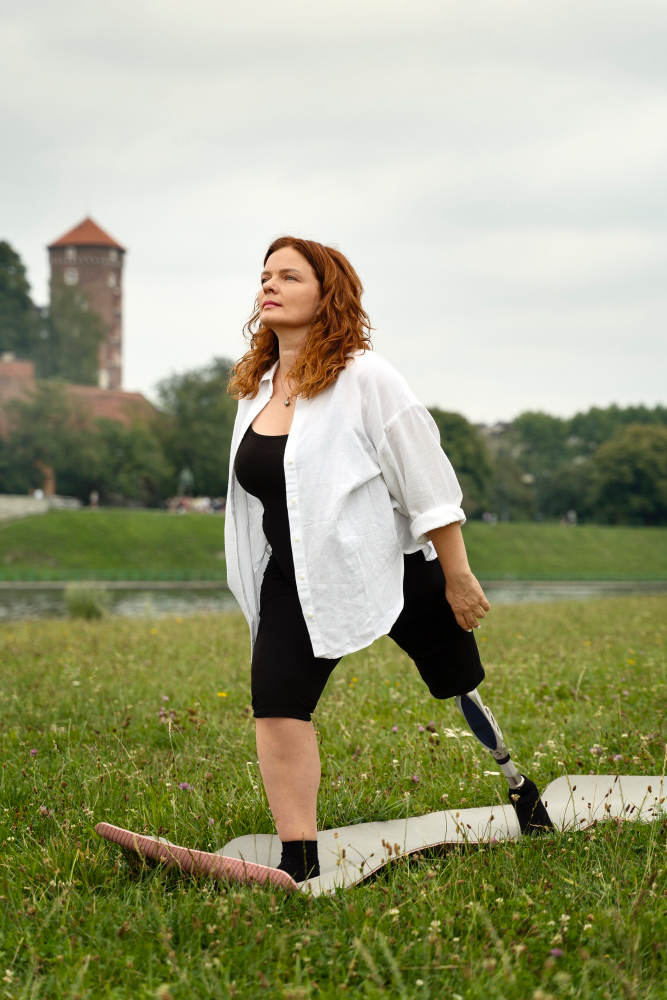
Before an injury, thoughts about the future often come naturally. People plan months ahead, imagine long-term goals, and assume a certain level of stability. After a personal injury, that sense of forward-looking confidence can quietly shift. The future may start to feel less defined, not because hope is gone, but because uncertainty has taken its place.
This change is subtle and deeply personal, and it’s something many people reflect on when speaking with a Personal Injury Lawyer to explain how their perspective on life changed beyond physical recovery.
Long-Term Planning Becomes More Cautious
Injury recovery often introduces unanswered questions, making long-term planning feel risky.
People may hesitate to:
- Commit to future goals
- Make plans far in advance
- Assume consistent health or energy
- Visualize life exactly as it was before
The future starts to feel conditional rather than assumed.
Goals Begin to Feel Flexible Instead of Fixed
Before an injury, goals often feel linear. Afterward, flexibility becomes necessary.
This may involve:
- Adjusting timelines
- Redefining success
- Setting shorter-term goals
- Leaving room for uncertainty
Goals aren’t abandoned, but they’re approached with caution.
Confidence in “Next Steps” Can Weaken
Injuries can interrupt the sense that life moves in predictable stages.
People may feel:
- Unsure about what comes next
- Less confident in long-term decisions
- Hesitant to make major changes
- More focused on the present than the future
This shift can feel unsettling, especially for planners.
The Present Starts Carrying More Weight
When the future feels uncertain, attention often shifts to the present moment.
This can look like:
- Focusing on daily comfort
- Prioritizing short-term well-being
- Taking life day by day
- Letting go of rigid expectations
While grounding, this shift can also feel limiting.
Comparing “Before” and “After” Future Visions
Injuries often create a mental divide between the future once imagined and the future now possible.
People may notice:
- Different priorities emerging
- Changed definitions of stability
- Letting go of certain expectations
- Re-evaluating what truly matters
This comparison can be emotional, even when growth occurs.
Why This Change Often Goes Unspoken
Uncertainty about the future isn’t easily explained, and it doesn’t always feel appropriate to share.
People may think:
- “I should just be grateful.”
- “This will sort itself out.”
- “Others wouldn’t understand.”
As a result, these thoughts often remain private.
Why Future-Oriented Changes Matter in Injury Cases
When someone consults a Personal Injury Lawyer, shifts in future planning help show how an injury affected more than the present moment.
These changes can reflect:
- Emotional strain
- Altered life trajectory
- Ongoing uncertainty
- Impact on long-term outlook
They help illustrate the broader consequences of injury.
Gradually Rebuilding Trust in the Future
Over time, many injury victims begin to feel more comfortable looking ahead again.
This often involves:
- Setting adaptable goals
- Allowing uncertainty without fear
- Rebuilding confidence slowly
- Accepting that plans can change
The future becomes something to approach gently rather than avoid.
Conclusion
A personal injury doesn’t just affect the body or daily routine—it can reshape the way people think about the future. Plans may feel less certain, goals more flexible, and long-term thinking more cautious.