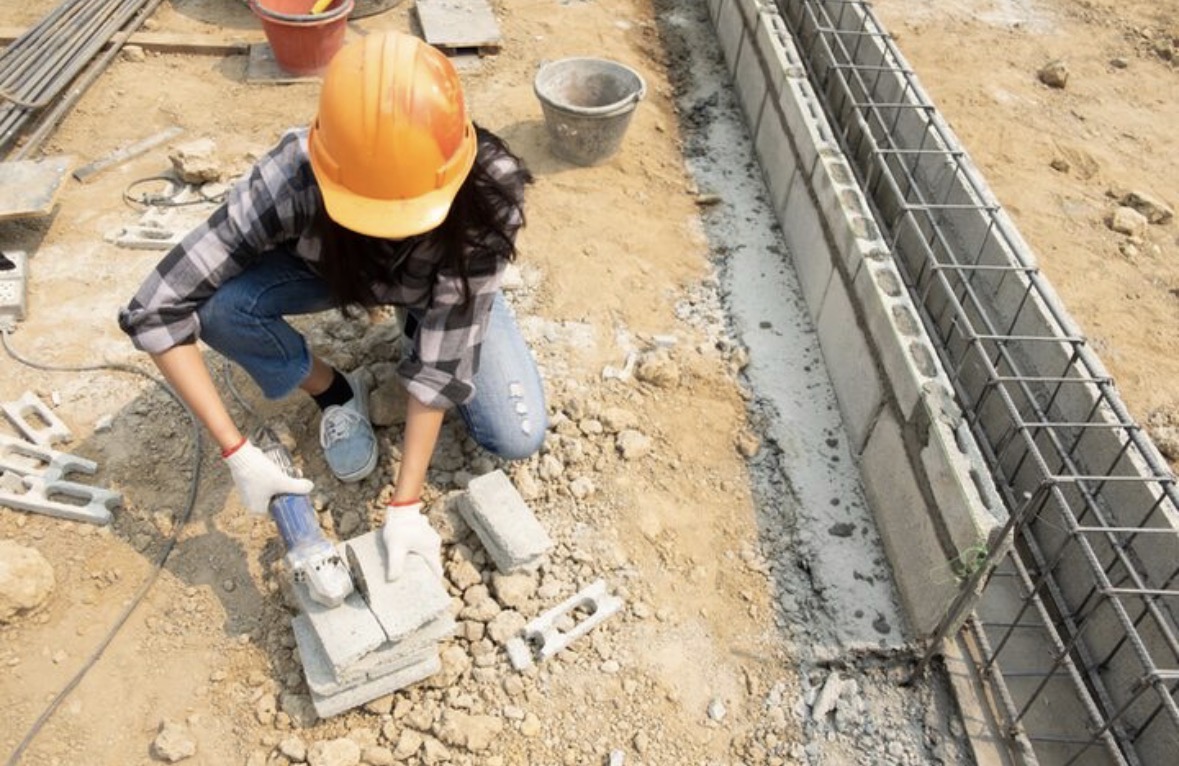
Building a home is a significant life event, and its lasting strength depends entirely on what is happening beneath the soil. Choosing the right foundation for house safety is arguably the most critical step in the entire building process. A well-designed foundation for house stability ensures that the weight of the building is spread evenly across the ground. This prevents the structure from sinking and keeps the walls from cracking over time. During the early stages of house construction, every builder must decide between a shallow or a deep foundation system.
Understanding the Importance of a Strong Foundation in House Construction
The fundamental job of a foundation for house projects is to anchor the building securely to the earth. Before the first load of cement for foundation work is even ordered, a professional soil test is necessary. Because ground conditions vary from soft clay to solid gravel, the soil quality will dictate the specific foundation for house design needed to support the home’s weight.
In modern house construction, a foundation for house protection does more than just hold up walls. It acts as a vital shield against ground moisture and helps the building stay level during minor earth movements. Selecting an improper foundation for house type can lead to massive repair bills later, making this initial decision a vital part of your project’s success.
What is a Shallow Foundation?
A shallow foundation, often called a spread foundation, is the best choice when the building is not too heavy and the soil near the surface is naturally firm. This specific foundation for house builds is generally placed only a few feet into the ground.
Individual Footings and Strip Foundations
Individual footings are a very common foundation for house choice. These are reinforced concrete pads that support the weight of a single column. Strip foundations are similar, but they run in a long, continuous line beneath a load-bearing wall. Both are excellent options for a standard foundation for house when the building site has stable, reliable earth.
Raft or Mat Foundations
When the soil is a bit weak or inconsistent, a raft foundation for house support is often the best solution. This method uses a thick, solid concrete slab that covers the entire footprint of the home. By spreading the weight like a raft on water, it provides a stable foundation for house placement even if the soil quality changes across the property.
What is a Deep Foundation?
Deep foundations are necessary when the top layers of soil are too soft or sandy to hold a heavy structure. These systems reach far down into the earth to find stronger soil or solid rock. This creates a much more resilient foundation for house structures located on difficult or uneven terrain.
Pile Foundations
A pile is a long, thin cylinder made of steel, wood, or concrete that is driven deep into the earth. These are essential when the water table is high or the surface soil is unstable. In these cases, the foundation for house security depends on the pile reaching solid bedrock to keep the foundation for house from shifting over the years.
Drilled Shafts or Caissons
Drilled shafts are created by boring large holes into the ground and filling them with high-grade cement for foundation mixtures. These columns can support an incredible amount of weight. They are often used for large-scale house construction on steep hills where a standard foundation for house would not be safe or steady.
Factors to Consider When Choosing a Foundation for House Projects
The choice between a shallow or deep foundation for house projects is based on careful engineering. The total weight of the home is the first thing to consider. A light, single-story home requires much less support than a heavy brick mansion, which directly affects the necessary foundation for house depth.
Local weather also plays a major role. In colder areas, the foundation for house must be placed deep enough to stay below the frost line. Furthermore, using the correct cement for foundation mix is vital to ensure the concrete remains strong while sitting in damp underground conditions for many decades.
Conclusion
Deciding whether a shallow or deep foundation for house construction is best depends on your specific soil type and your house construction goals. While shallow foundations are cost-effective for many residential areas, deep foundations offer necessary safety on difficult land. To protect your investment, always consult with a structural engineer to pick the best foundation for house permanence. Using high-quality materials and expert planning is the only way to ensure your home stands the test of time.